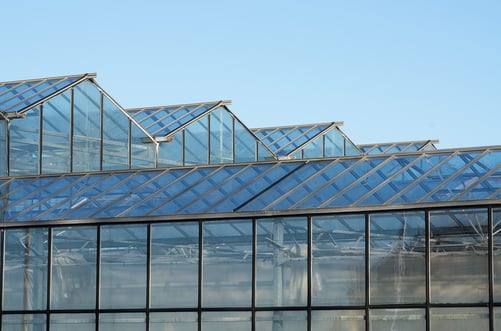
In the Netherlands, light levels are low in winter. We can compensate for this with additional lighting, but it is also important to let in as much of the available natural light as possible. One way of getting more light in is to reduce light loss caused by condensation. An anti-condensation coating for glass is designed for this.
How an anti-condensation coating works
An anti-condensation coating for film has been on the market for some time, but in some cases it does not meet the requirements for use on glass. For this reason, an anti-condensation coating has been developed for glass.
The coating makes the surface on which moisture condenses hydrophilic. Moisture can then not collect on the glass as droplets or thick lines. Instead, it spreads out evenly and forms a thin layer of water. This increases the light transmission through the greenhouse covering, such as glass or plastic film. The light transmission gain with an even layer of condensation can be up to 9% more than with condensation droplets.
Field tests with AntiCondens Glass
Since the summer of 2015, ReduSystems has been conducting field tests with its new AntiCondens Glass coating. Optimum results need 60 litres of AntiCondens per hectare. Diluted at 1:15, this means that around 1,000 litres of fluid per hectare is sprayed on the inside of the greenhouse covering.
Application
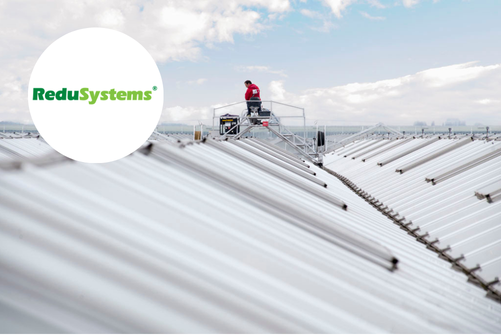
At a number of locations, the coating was applied by hand. A test was also carried out on mechanised application, using equipment that is normally used for spraying glass with detergents. The test looked at the optimum spray pressure, nozzle, nozzle stroke, spray wand position and travel speed. It showed that the existing equipment that contractors already work with can be used for optimum application of the coating, without many modifications.
Measuring the light transmission
After application, measurements were taken to determine the difference in light transmission between treated and untreated glass. PAR transmission was measured continuously over a number of days. The values were plotted on a graph, and the light intensities for each day were compared. This gave a picture of the differences in light transmission throughout the day. The daily light sum was calculated and used for the comparison.
Results: 2 to 14% more light transmission
After application of the AntiCondens coating, the increase in light transmission ranged from 2 to 14%. These large differences can be attributed to factors such as the varying levels of contamination on the glass. Other situations showed very little or no reduction in light transmission. It is likely that there was no condensation on the glass during these periods because of substantial ventilation.
Before you apply the coating
The glass must be clean and 100% dry before you apply the coating. Let the coating dry completely before the glass is exposed again to moisture from condensation or other causes. ReduSystems will continue to monitor the trial sites intensively and will carry out trials on larger surfaces.