Growers often ask whether shading coatings belong on an organic holding. To answer it properly, ASTREDHOR ran an independent compatibility study using Sudlac coatings on certified organic soil. The result was no negative impact, even under the heaviest, undiluted dose a grower is ever likely to meet.
What organic growers ask
The concern is a practical one. Rain washes a share of any coating off the glass, and on many holdings that runoff does not simply disappear. It is collected, stored in a basin and reused for irrigation, which means the coating eventually finds its way back to the root zone.
So the real question is not what sits on the structure, but what reaches the soil once the coating comes back down. On an organic plot the margin is narrow: every product that touches the ground has to stay within the rules, and residues carried in year after year could, in principle, shift the soil's balance. That is exactly what the study set out to check.
What certification does and does not cover
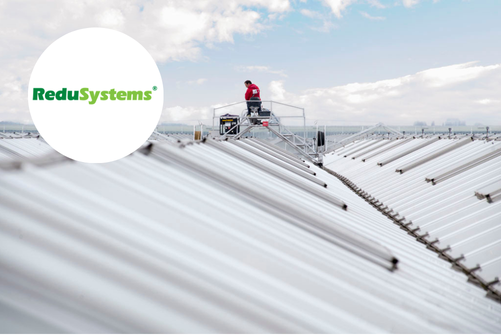
Part of the answer is already on record. Ecocert has confirmed that Sudlac shading coatings are not classed as an agricultural input, so no specific threshold applies to their use on greenhouse structures in organic production. On the glass, the position is clear.
Irrigation is the part worth checking. A product approved for the structure has not, by that alone, been measured in the soil it eventually reaches. Two things decide the outcome there: whether the soil holds its nutrient balance, and whether heavy metals stay below the limits organic regulations set. That is what the trial put to the test.
Cleared for organic. The residue that reaches the soil through irrigation keeps an organic plot within the rules.
No accumulation. Levels in the treated soil stayed on a par with clean water, far below the organic limits.
Soil left unchanged. Nutrients and fertility held steady, so the treated soil keeps feeding the crop as before.
Testing for the worst case, not the average
Rather than model a typical season, the trial was built around the harshest realistic scenario. Eclipse LD was applied at a heavy 300 kg/ha and Topclear cleaner at 240 L/ha, then collected undiluted from a light 2 mm rain, matching the concentration a retention basin would hold before any dilution.
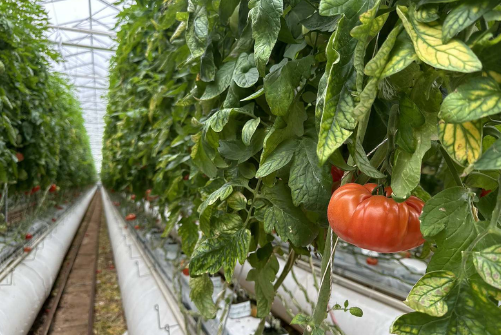
That solution was used to water young cucumber and tomato plants grown in organic soil, at 2 L per pot, around 10% of the soil volume, over roughly five weeks. A clean-water control ran alongside for comparison, so any effect from the residues would show against a clean baseline.
What the soil analysis showed
At the end of the crop cycle, Auréa analysed soil taken from mid-height in every pot, comparing the treated soil against the clean-water control. Three findings stood out.
Heavy metals stayed low: These are the elements organic rules watch most closely, because they can build up in soil over time. In the treated soil they did not. Every metal measured the same as in clean water and stayed far beneath the legal limit. Cadmium, for instance, came in at 0.16 mg/kg where 2 is permitted, comfortably within range.
Fertility held steady: The nutrients a crop feeds on, phosphorus, potassium and magnesium among them, were present in the same proportions whether the soil had been watered with residues or clean water. Nothing was stripped out or thrown off balance.
One small, expected change: pH edged up slightly, from 7.3 to 8, reflecting the Topclear cleaner in the water. It stayed comfortably within the normal range for healthy growing soil.
Across every measure that matters to an organic grower, the treated soil behaved just like soil watered with clean water.