Production & Consuption
Optimizing our manufacturing pipelines to eliminate waste, maximize raw material efficiency, and champion circular lifecycle practices across all product lines.
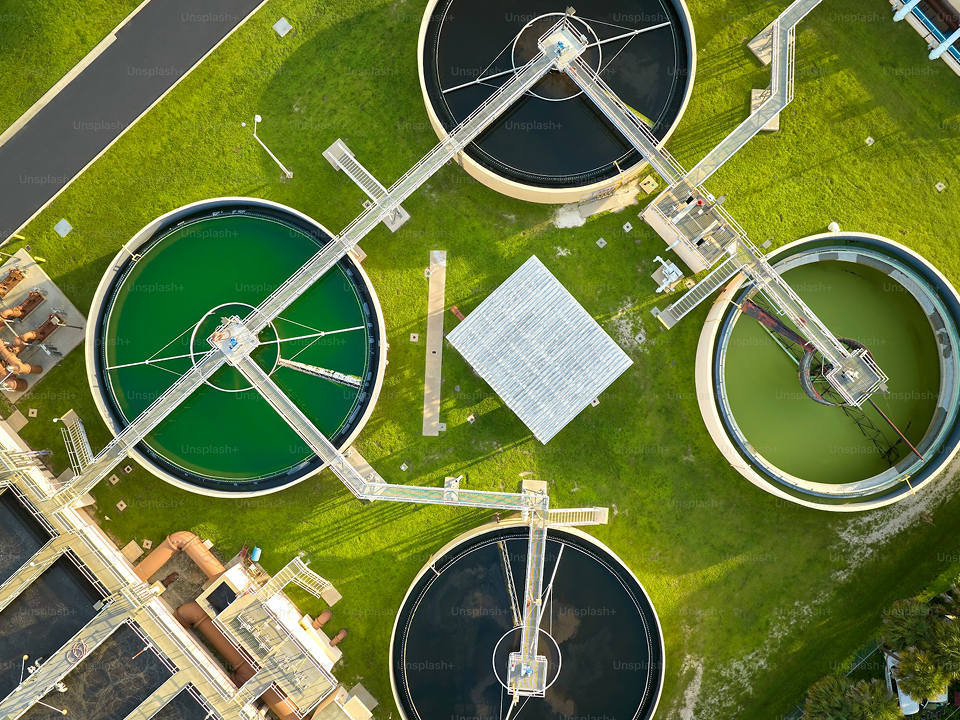
Clean Water
Safeguarding vital water resources by minimizing operational water consumption and engineering eco-friendly coatings that protect surrounding aquatic ecosystems.
Climate Action
Reducing our corporate carbon footprint while developing passive climate-control technologies that actively lower energy demands for facilities worldwide.
Zero Hunger
Supporting global food security by developing high-performance horticultural coatings that optimize light and temperature to help growers maximize crop yields sustainably.
Environmental Initiatives & Certifications
We transform our ecological commitments into measurable, verified action. Explore our proactive sustainability program and initiatives designed to reduce footprints across every product lifecycle, alongside the industry-leading environmental certifications that officially validate our clean chemistry and manufacturing standards.
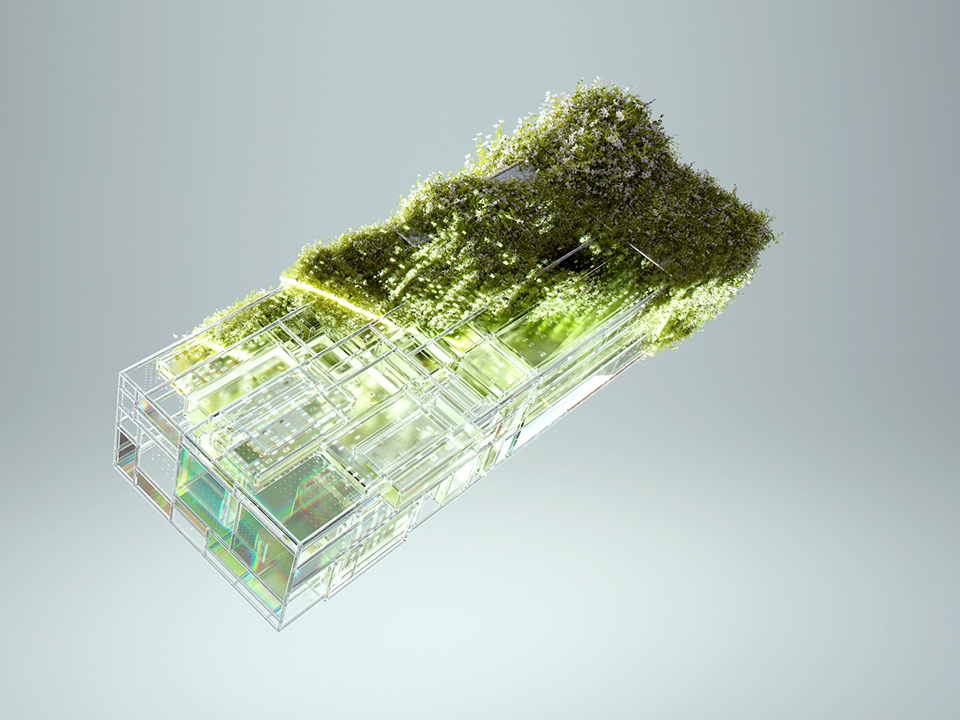
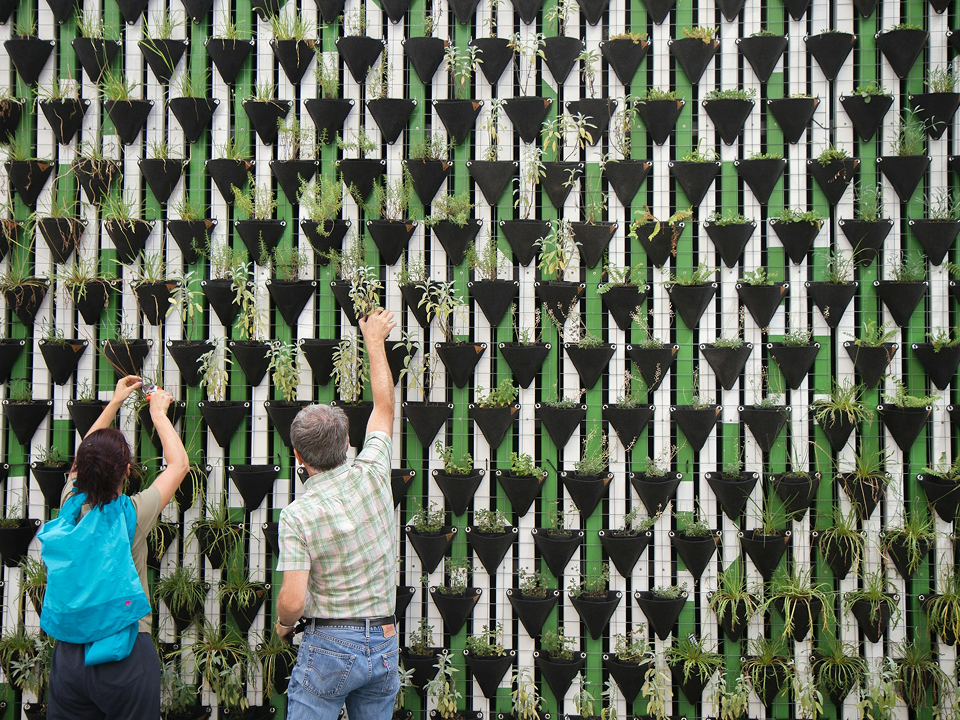
Our first generation of bio-based technology
When we began developing bio-based and biodegradable coatings, we focused on raw materials that possess these properties inherently. One of the most important ingredients is the binder: it allows a coating to adhere to greenhouse, grass and roof surfaces and plays a major role in its resistance to UV radiation, condensation and rain.
Canope F4 is the first temporary greenhouse coating developed with our patented starch-based binder. It demonstrates that a bio-based binder can be used in a professional coating without compromising the durability required in practice. Canope F4 is designed to remain effective for approximately four months under conditions including UV radiation, rain and condensation.
Packaging: reducing our use of virgin plastic
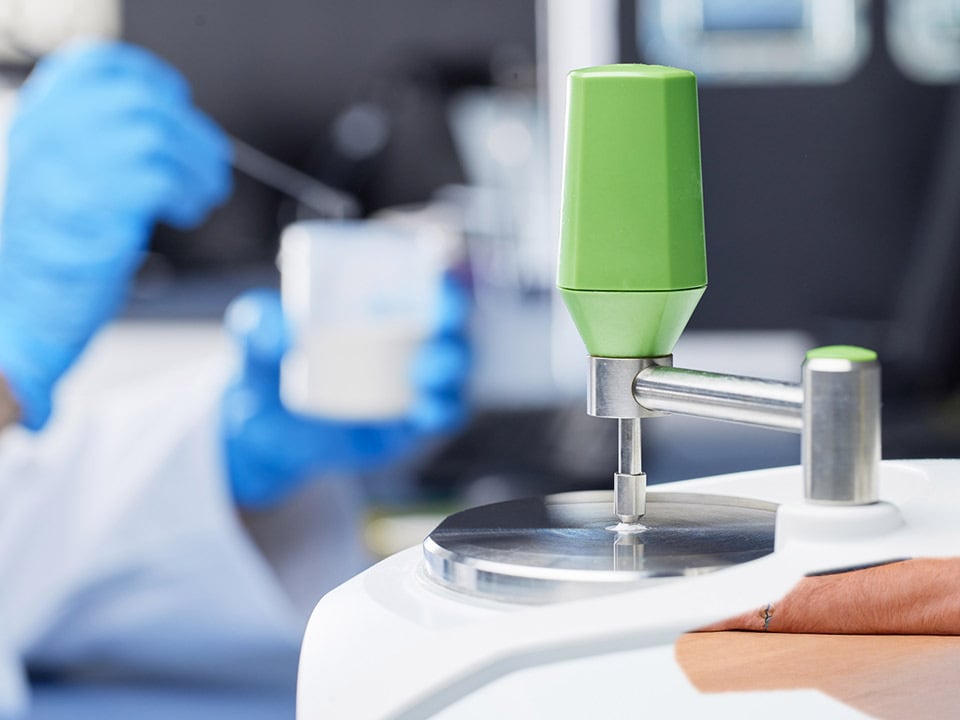
Our coatings are supplied in plastic buckets and containers that must protect the product during transport, storage and use. To reduce our use of virgin plastic, we have now introduced packaging made with 50% post-consumer recycled high-density polyethylene (PCR-HDPE). This is plastic that has been recovered from used products and given a new life.
We are currently carrying out a lifecycle assessment to calculate the effect on our carbon emissions compared with packaging made entirely from virgin plastic. At the same time, we continue to look at other packaging options that could further reduce our environmental impact, while maintaining the quality, safety and ease of use our products require.
Unsure which solution fits your needs?
Every location and climate presents unique challenges. Our technical team is here to provide personal advice, helping you select the perfect coating solution to master your specific environment.