
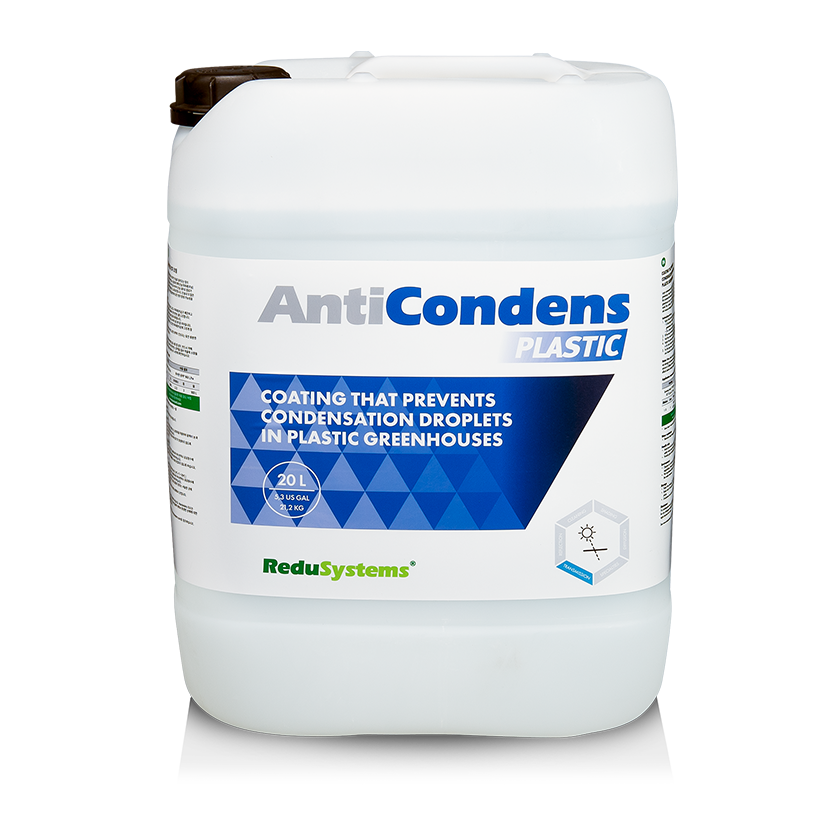
AntiCondens Plastic
A coating applied to the inside of the greenhouse cover, preventing large condensation droplets from forming and replacing them with a fine water film instead. This lets more light into the greenhouse, reduces disease pressure from Botrytis, and prevents "inside rain" from dripping onto the crop.
Suitable for plastic greenhouses, and wear-resistant for the full season. It wears off naturally over time, so there's no active removal step. Simply clean the surface and reapply when needed.
More Light, Less Disease Pressure
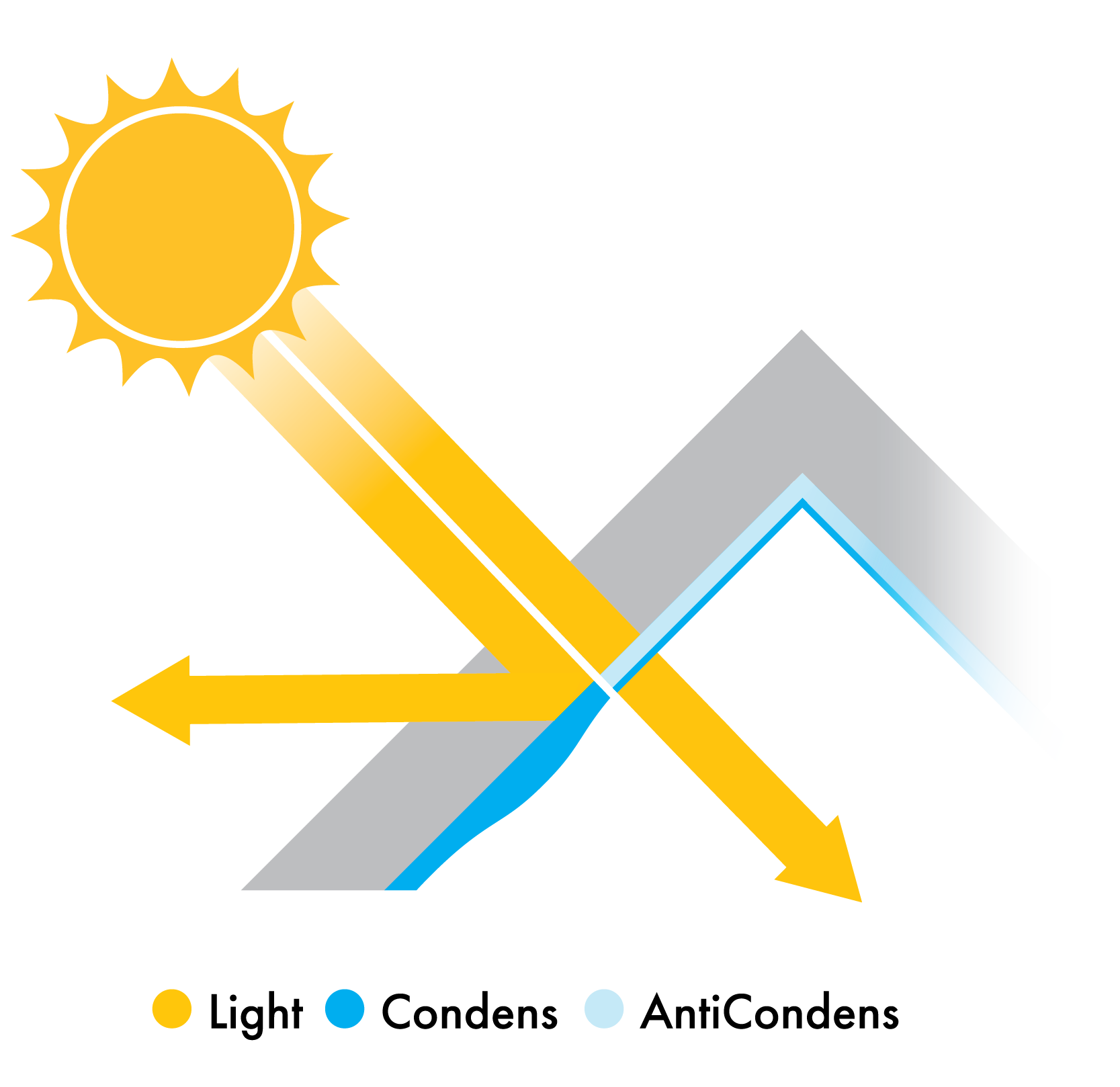
Large condensation droplets block light and create the damp conditions where diseases like Botrytis, Mycosphaerella and mildew thrive. On plastic covers, those same droplets can also combine and fall as "inside rain," wetting the crop below. By replacing droplets with a fine, even water film, AntiCondens Plastic lets more light reach the crop, reduces disease pressure and stops inside rain from dripping onto the crop.
AntiCondens Plastic also helps save energy and improve production, since more usable light reaches the crop without extra heating or lighting. When spraying above an active crop, we recommend testing a small area first to check for any sensitivity before treating the full greenhouse.
More Light In
AntiCondens Plastic improves light incidence by 15 to 20% by replacing large condensation droplets with a fine, even water film. That extra light supports better crop production and helps save on energy costs.
Fewer Fungicides
Growers using AntiCondens report cutting fungicide use by 80 to 90%, thanks to better control over moisture-related diseases like Botrytis. Preventing inside rain also means less crop damage from dripping condensation.
Decades of R&D
ReduSystems has been developing greenhouse coatings since 1986, backed by ongoing research into light, climate and crop performance. That experience shapes every product, including AntiCondens Plastic.
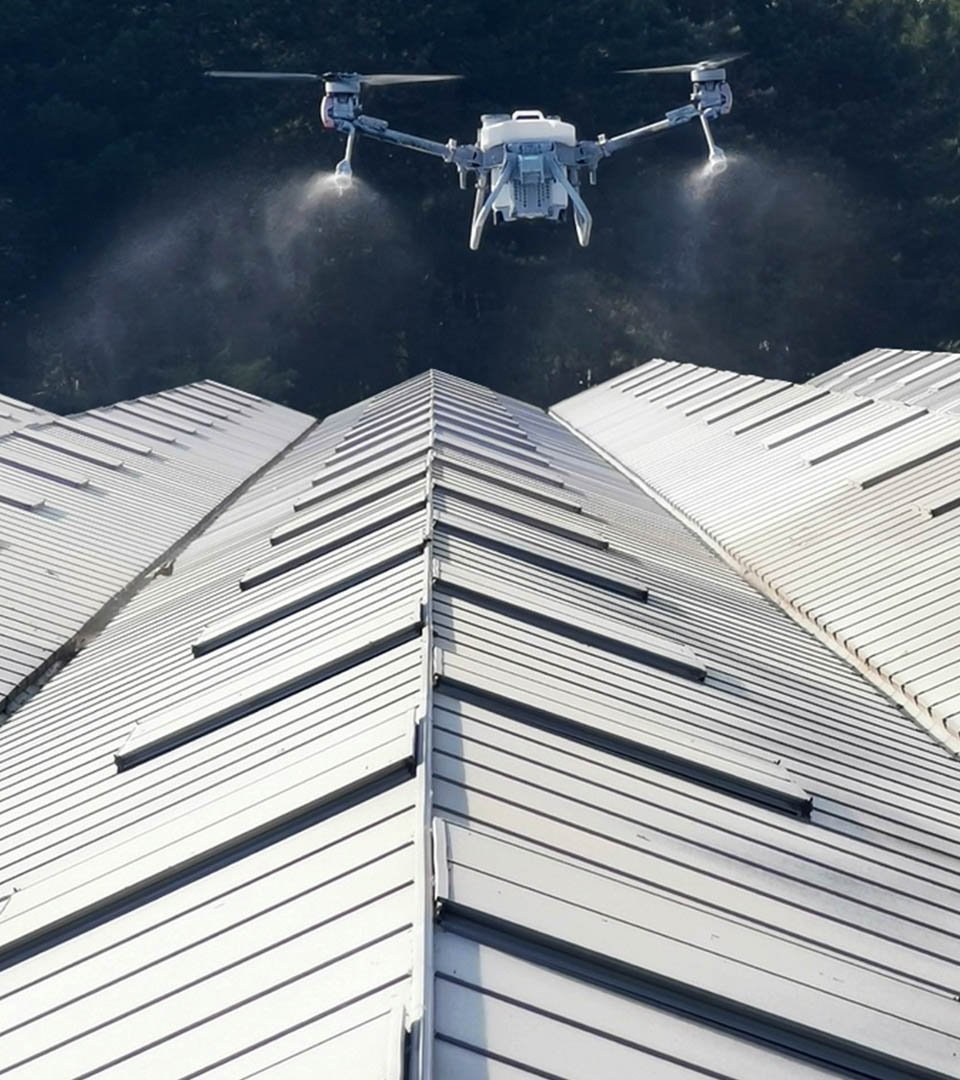
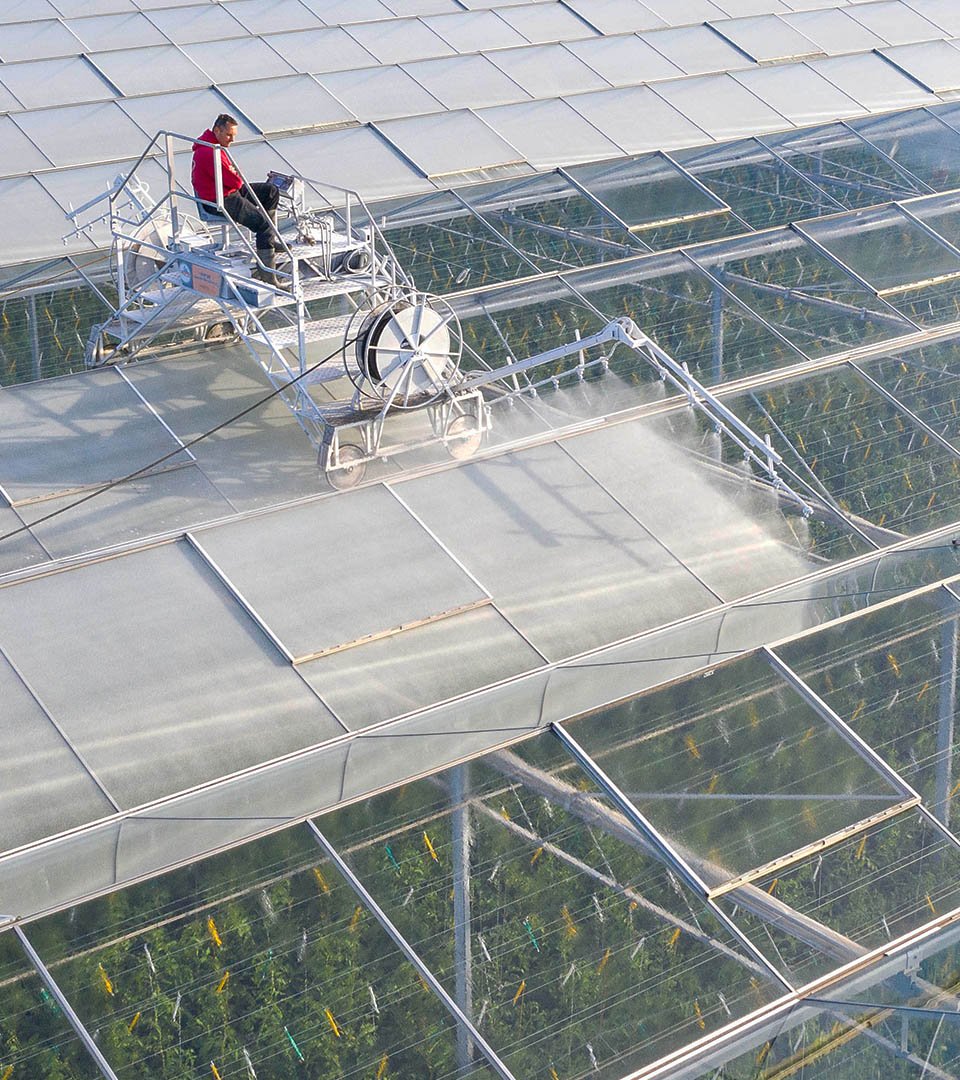
Apply to the inside of the greenhouse, preferably when it's empty, on a surface that's clean, dry and free from other substances. Spray from the gutter to the top of the ridge until the plastic is fully moistened, avoiding excess splashing. Keep the greenhouse well ventilated and heated to speed up drying. If spraying above an active crop, test a small area first to check for phytotoxicity.
Each 20-litre can of AntiCondens Plastic is diluted with water at a ratio of 1:15. By machine, use 6 cans per hectare (3 per acre), mixed with 1,800 litres of water per hectare (190 US gallons per acre). By hand, use 3 cans per hectare (1.2 per acre), mixed with 900 litres of water per hectare (96 US gallons per acre).
AntiCondens Plastic isn't actively removed. It wears off naturally over the season, so all that's needed before reapplying is to clean the surface first.
Works Well With AntiCondens Plastic
Need help finding the right product?
Hey, I'm Marina ready to help
Why ReduSystems
The Right Solution for Every Season
Light is the most variable factor in greenhouse growing, yet many growers do not yet use it fully throughout the year. We help growers protect, improve and adjust crop performance in every season, with a solution matched to each stage of the growing cycle.
With decades of experience in light spectra, PAR and photosynthesis, we adapt every solution to the grower's crop, greenhouse and location. Our advice is based on science and real-world results, not guesswork.
Frequently asked questions
Plastic only. A separate version, AntiCondens Glass, is available for glass greenhouses.
It isn't actively removed. It wears off naturally over the season, so all that's needed before reapplying is to clean the surface first.
It's best applied when the greenhouse is empty. If a crop is already in place, test a small area first and check for any sensitivity before spraying the full greenhouse.
If applied well, it stays active for the whole season. It gradually wears off over time, so it may need reapplying before the season ends.
On plastic greenhouse covers, condensation droplets can combine and fall onto the crop like rain. AntiCondens Plastic replaces those droplets with a fine, even water film, preventing this "inside rain" from happening.
Both prevent large condensation droplets and replace them with a fine water film. AntiCondens Plastic is for plastic greenhouses, improves light incidence by 15 to 20%, and also prevents "inside rain." AntiCondens Glass is for glass greenhouses and improves light incidence by 5 to 7%.
News & Documentation
Looking for the latest insights on greenhouse light and climate management? Explore our resources below.
Contact us
Talk to a ReduSystems Specialist
Every greenhouse faces different light and climate challenges, depending on the season, crop and greenhouse type. Choosing the right strategy can be difficult with so many factors to consider. Our specialists offer tailored advice based on your specific situation, helping you find the right solution for your crop, greenhouse and climate, all year round. Get in touch to discuss what works best for you.